Source Flexible Metal Gooseneck Tube for Camera, Lamp, Medical
Compare 26 flexible metal gooseneck tube options from verified manufacturers in Guangdong. Buyers can evaluate materials like stainless steel, finishes such as zinc plated, and customization features for camera, lamp, and medical applications; compare the available evidence and request quotations based on your requirements.
Key considerations
Products List
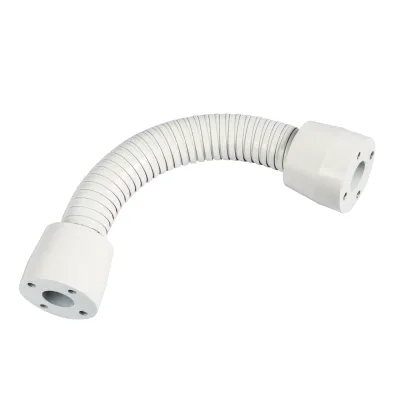
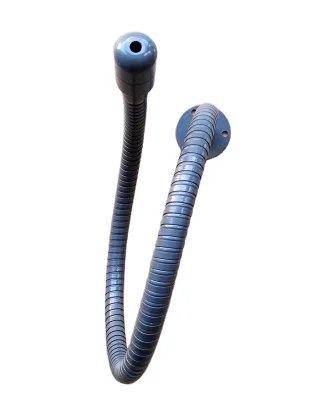
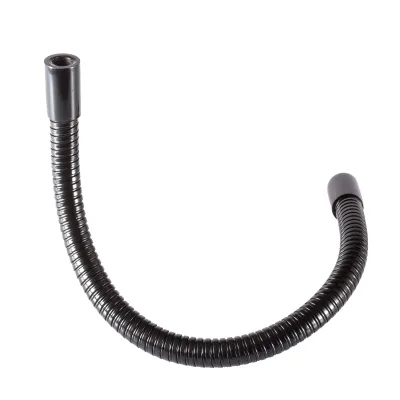
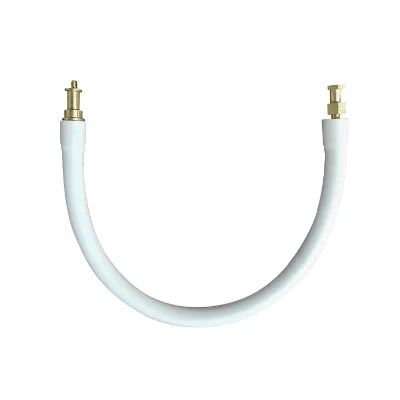
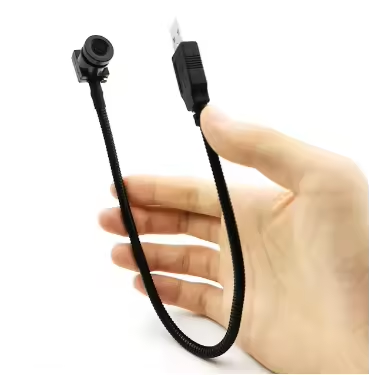
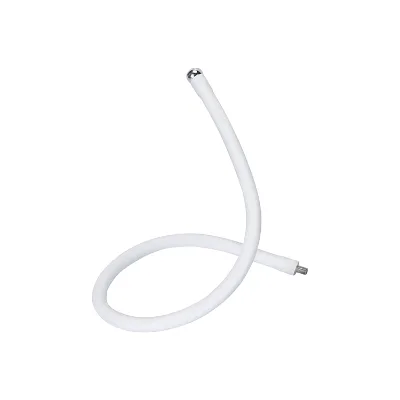


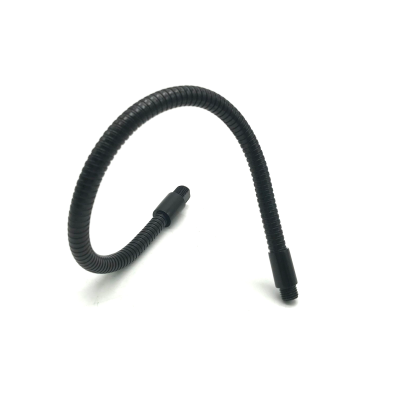
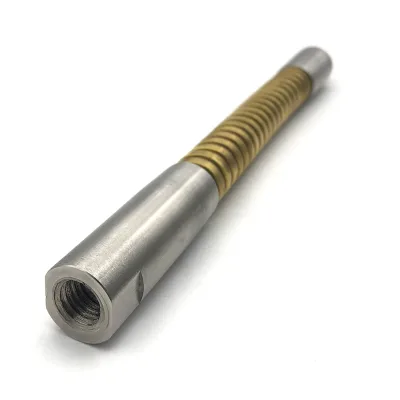
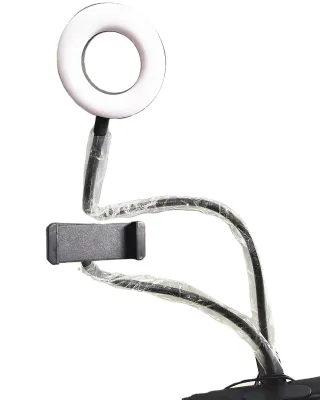
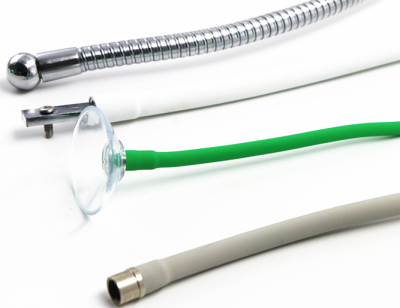
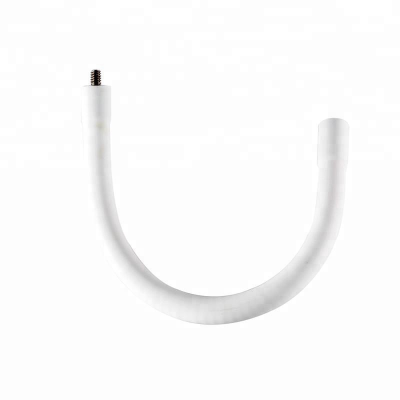
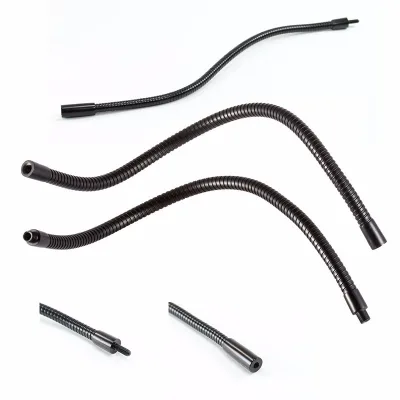

Comprehensive Sourcing Guide
Flexible Metal Gooseneck Tube Sourcing Guide
Procuring flexible metal gooseneck tubes requires a precise understanding of material composition and structural integrity, as these components serve as critical articulation points in various mechanical and electronic assemblies. Buyers must evaluate the specific alloy used, such as stainless steel, copper, or combinations with iron and brass, to ensure compatibility with the intended environment. The observed market data indicates a wide range of material options, including zinc-plated and black oxide finishes, which directly influence corrosion resistance and aesthetic integration. Understanding these material variables is the first step in defining a robust technical specification that aligns with the operational demands of the final product.
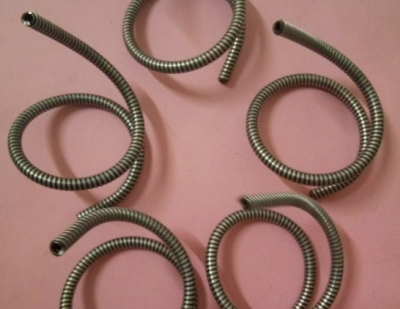
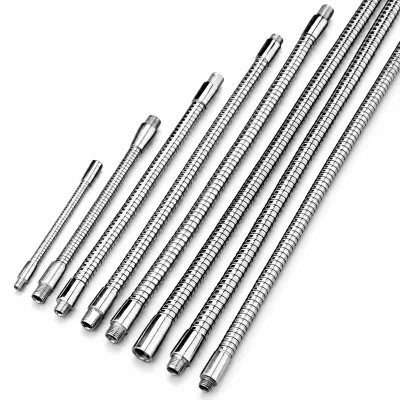
The structural design of the gooseneck, often characterized by willful curves and random directional flexibility, allows for precise positioning without the need for complex mounting hardware. This flexibility is particularly valuable in applications ranging from camera brackets to medical devices, where adjustability is paramount. Buyers should verify the internal construction, such as single-side bracket structures, to ensure the tube can support the weight of the attached device without sagging or losing its shape. The ability to customize the model number and size further enhances the utility of these components, allowing for tailored solutions that fit unique spatial constraints and functional requirements.
Product Scope and Observed Listing Signals
The current market landscape for flexible metal gooseneck tubes reveals a diverse array of product listings, with observed price points ranging from $0.12 to $26.61 USD. This significant variance suggests that buyers will encounter products with differing levels of quality, material thickness, and manufacturing complexity. The minimum order quantities (MOQ) observed range from 1 to 200 units, indicating that suppliers cater to both prototyping needs and larger-scale production runs. Buyers should carefully analyze the price-to-specification ratio, ensuring that lower-cost options do not compromise the structural integrity or finish quality required for their specific application.
Listing signals also highlight the importance of customization capabilities, with many suppliers offering tailored solutions for model numbers, sizes, and thread specifications such as M6, M8, or M10. The presence of keywords like "large diameter horse gooseneck" or "gooseneck tube for wheelchair" suggests that the product scope extends beyond standard electronic accessories into specialized industrial and medical equipment. Buyers should pay close attention to these descriptive tags to identify suppliers who have experience in their specific niche, as this often correlates with a deeper understanding of the unique mechanical stresses and environmental factors involved in those applications.
Technical Specifications to Verify
When evaluating technical specifications, the outer diameter (OD) range of 2-28mm is a critical parameter that dictates the compatibility with existing mounting systems and the visual profile of the final assembly. Buyers must verify the exact OD and wall thickness to ensure the tube can withstand the required bending radius without kinking or collapsing. The availability of customized sizes allows for precise engineering integration, but it also necessitates clear communication of dimensional tolerances to the supplier. Confirming these measurements early in the sourcing process prevents costly rework and ensures that the gooseneck fits seamlessly into the product design.
Thread specifications and surface treatments are equally important for ensuring secure attachment and long-term durability. The observed thread options, including M6, M8, and M10, provide flexibility in mounting configurations, while surface treatments like zinc plating, chrome plating, and black oxide offer varying degrees of corrosion resistance and aesthetic appeal. Buyers should specify the required finish based on the environmental conditions, such as humidity or exposure to chemicals, to prevent premature degradation. Additionally, verifying the standard compliance, such as DIN standards, ensures that the component meets established industrial quality benchmarks for threading and dimensional accuracy.
Compliance and Safety Documentation
Compliance with international standards is essential for ensuring the safety and reliability of flexible metal gooseneck tubes, particularly in regulated industries such as medical and consumer electronics. The presence of RoHS certification in the market data indicates that many suppliers adhere to restrictions on hazardous substances, which is crucial for products sold in the European Union and other regions with strict environmental regulations. Buyers should request valid RoHS certificates for each batch to verify that the materials used, including any plating or coating, do not contain prohibited levels of lead, mercury, or other harmful chemicals.
In addition to RoHS, ISO certifications such as ISO9001 and ISO14001 signal a supplier’s commitment to quality management and environmental responsibility. These certifications suggest that the manufacturer has implemented systematic processes for quality control and continuous improvement, which can reduce the risk of defects and inconsistencies in production. Buyers should verify the validity of these certificates and inquire about the supplier’s internal quality assurance protocols. Ensuring that the supplier maintains these standards helps mitigate supply chain risks and supports the overall integrity of the final product.
Cost Drivers and Commercial Terms
Several factors influence the cost of flexible metal gooseneck tubes, including material selection, surface treatment complexity, and order volume. Stainless steel and copper are generally more expensive than iron or brass alternatives, while additional finishes like chrome plating or silicone coating add to the manufacturing cost. Buyers should consider the total cost of ownership, balancing initial unit price against durability and maintenance requirements. The observed supply ability of 1,000,000 pieces per week suggests that economies of scale are achievable, potentially lowering unit costs for larger orders.
Commercial terms such as payment methods and delivery times also play a significant role in the procurement process. The common use of T/T (Telegraphic Transfer) for payments requires buyers to establish trust and secure payment terms with the supplier. Delivery times vary, with some suppliers offering 7-9 days and others 15-20 days, depending on customization needs and production capacity. Buyers should negotiate clear delivery schedules and include penalties for delays in their contracts to ensure timely receipt of goods. Understanding these commercial dynamics helps in planning inventory levels and managing cash flow effectively.
Supplier Qualification and Quality Control
Supplier qualification is a critical step in ensuring the reliability of the supply chain for flexible metal gooseneck tubes. Buyers should assess the supplier’s manufacturing capabilities, including their ability to handle customized orders and maintain consistent quality across large production runs. The location of suppliers in Guangdong, China, and their dispatch from Shenzhen, indicates a mature industrial ecosystem with access to raw materials and logistics networks. Buyers should verify the supplier’s production facilities and inquire about their experience in manufacturing similar components to gauge their technical expertise.
Quality control measures should be clearly defined and agreed upon before production begins. This includes specifying inspection criteria for dimensions, surface finish, and flexibility. Buyers may request pre-shipment inspections or third-party quality audits to verify that the products meet the agreed-upon specifications. Establishing a clear communication channel for addressing defects or discrepancies is also essential. By implementing robust quality control protocols, buyers can minimize the risk of receiving substandard products and ensure that the gooseneck tubes perform reliably in their intended applications.
Long-Term Procurement Checks
Long-term procurement success depends on establishing a sustainable relationship with suppliers who can consistently meet quality and delivery requirements. Buyers should conduct regular performance reviews to assess supplier reliability, including on-time delivery rates and defect frequencies. Maintaining open communication and providing feedback on product performance can help suppliers improve their processes and better align with buyer expectations. Additionally, buyers should stay informed about market trends and technological advancements in flexible metal tubing to ensure they are sourcing the most suitable components for their evolving needs.
It is also important to diversify the supplier base to mitigate risks associated with single-source dependencies. Identifying alternative suppliers with comparable capabilities can provide leverage in negotiations and ensure continuity of supply in case of disruptions. Buyers should periodically re-evaluate their supplier portfolio to ensure it remains aligned with their strategic goals and quality standards. By proactively managing supplier relationships and staying adaptable to market changes, buyers can secure a stable and efficient supply of flexible metal gooseneck tubes for their operations.
FAQs
What materials are used for flexible metal gooseneck tubes?
Flexible metal gooseneck tubes are primarily constructed from stainless steel, copper, or combinations of steel, iron, and brass. These materials ensure durability and flexibility for various applications. The tubes often feature zinc plating, black oxide, or chrome finishes to enhance corrosion resistance and aesthetic appeal for industrial or consumer use.
Can the flexible metal gooseneck tube be customized?
Yes, customization is available for flexible metal gooseneck tubes. Buyers can specify outer diameters ranging from 2 to 28mm and choose from various thread options like M6, M8, or M10. Custom sizes, colors, and packaging details are also supported to meet specific project requirements and branding needs.
What certifications do the flexible metal gooseneck tubes have?
The flexible metal gooseneck tubes typically hold RoHS certification, ensuring compliance with environmental standards. Some listings also reference ISO9001 and ISO14001 certifications for quality and environmental management. These certifications verify that the manufacturing processes and materials meet recognized international standards for safety and quality control.
How long is the delivery time for flexible metal gooseneck tubes?
Delivery times for flexible metal gooseneck tubes generally range from 7 to 20 days depending on the order specifics. Some standard items may ship within 7 to 9 days, while customized orders or larger quantities might require 10 to 15 working days for production. The supply ability supports up to one million pieces per week.
What are the common applications for flexible metal gooseneck tubes?
Flexible metal gooseneck tubes are used in LED lamps, webcams, earphones, and medical devices. They also serve as camera brackets, wheelchair components, and parts for metal processing machinery. Their adjustable nature makes them suitable for applications requiring precise positioning and flexible mounting solutions in various industries.
Where are the flexible metal gooseneck tubes manufactured?
These tubes are manufactured in Guangdong, China, with dispatch ports typically located in Shenzhen. The production facilities are equipped to handle large volumes, supporting a supply ability of one million pieces per week. This location allows for efficient logistics and competitive pricing for international buyers sourcing from this region.